
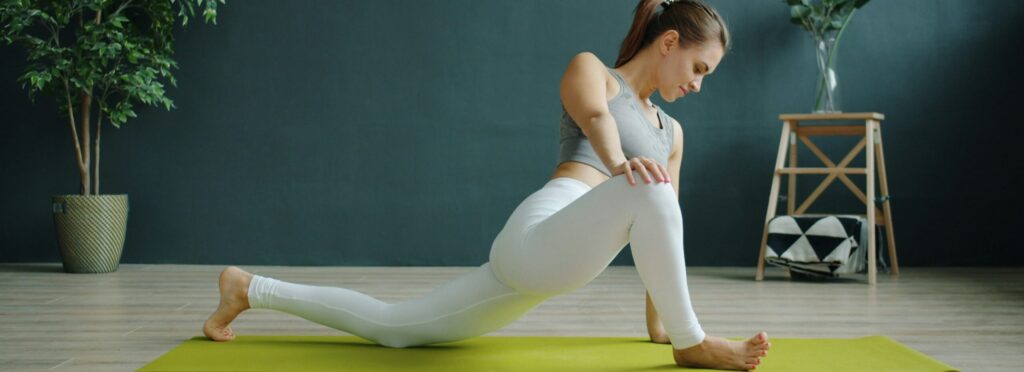
“Slow-paced Yin Yoga offers a quiet yet profound approach to movement and self-awareness. This article explores how Yin Yoga supports physical flexibility, nervous system regulation, emotional release, and energetic balance—while also reshaping our relationship with rest and self-care. Through personal reflection and yogic understanding, this piece highlights why slowing down can be one of the most meaningful practices we choose.”
There was a time when slowing down felt uncomfortable to me. Holding a pose in stillness brought up restlessness, impatience, and a subtle urge to do something. But over time, slow-paced Yin Yoga taught me something powerful — that beneath the urge to move, there is wisdom waiting to be heard.
In a world that constantly asks us to push, strive, and stay busy, Yin Yoga offers a quiet counterbalance. It doesn’t demand effort or achievement. Instead, it invites us to soften, to listen, and to meet ourselves exactly where we are.
This practice has become more than just a physical experience for me — it is a space of rest, emotional release, and inner awareness. Below, I’m sharing the deeper benefits of slow-paced Yin Yoga, both from experience and from what this practice teaches us on a subtle level.
What Is Slow-Paced Yin Yoga?
Stillness, Sensation, and Awareness
Yin Yoga is a slow, meditative style of yoga where poses are held for longer periods of time — usually between 3 to 5 minutes. The shapes are gentle, grounded, and mostly practiced close to the floor.
Unlike more dynamic styles of yoga, Yin Yoga targets the deep connective tissues — the fascia, ligaments, joints, and even bones. Muscles are encouraged to relax so that the deeper layers of the body can gradually respond.
A slow-paced Yin practice emphasizes:
• Stillness over movement
• Sensation over intensity
• Awareness over alignment perfection
It becomes less about how the pose looks and more about how it feels — physically, emotionally, and energetically.
1. A Gentle Way to Improve Flexibility and Joint Health
How Slow Holds Support the Joints and Fascia
One of the first benefits many people notice with Yin Yoga is increased flexibility, especially in areas that tend to hold tension — the hips, lower back, and spine.
Because connective tissue responds best to slow, sustained stress, the longer holds in Yin Yoga help:
• Improve joint mobility
• Maintain healthy range of motion
• Support long-term joint health
What I appreciate most is that this flexibility comes without force. The body opens in its own time, reminding us that patience often creates deeper change than effort.
2. Deeply Calms the Nervous System
Activating the Body’s Rest-and-Repair Response
Slow-paced Yin Yoga has a profound effect on the nervous system. The extended stillness and conscious breathing activate the parasympathetic response — the body’s natural state of rest and repair.
With regular practice, Yin Yoga can help:
• Reduce stress and anxiety
• Improve sleep quality
• Create a sense of safety in the body
On days when my mind feels full or overstimulated, Yin Yoga feels like a quiet exhale — a signal that it’s okay to slow down.
Harvard Health also highlights the benefits of yoga and mindfulness practices for managing stress and mental well-being:
🔗 https://www.health.harvard.edu/mind-and-mood/yoga-for-anxiety-and-depression
3. Cultivates Mindfulness and Inner Awareness
Stillness as a Meditative Practice
Because Yin Yoga removes the distraction of constant movement, awareness naturally turns inward. The longer we stay, the more we begin to notice — sensations, thoughts, emotions, even resistance.
This is where Yin Yoga becomes a meditative practice.
Instead of reacting, we observe. Instead of fixing, we allow. Over time, this builds:
• Mindfulness
• Emotional awareness
• A deeper connection to the breath
These moments of stillness often reveal what we’ve been carrying — not to overwhelm us, but to help us release it gently.
4. Creates Space for Emotional Release
Listening to What the Body Has Been Holding
The body holds stories. Stress, emotions, and past experiences often settle into the hips, lower back, and shoulders — areas commonly targeted in Yin Yoga.
In slow-paced Yin, emotional release can happen quietly and unexpectedly. Sometimes it’s a wave of emotion, sometimes just a sense of lightness afterward.
What Yin Yoga teaches is not to push emotions away, but to stay present with them, allowing them to move through when they’re ready.
5. Supports Energy Flow and Balance
Yin Yoga and the Meridian System
From a Traditional Chinese Medicine perspective, Yin Yoga works with the body’s meridian system, supporting the flow of energy (qi).
Each posture gently stimulates specific meridians associated with different organs, helping restore balance on an energetic level.
You can learn more about Yin Yoga and meridian theory here:
🔗 https://www.yogajournal.com/practice/yin-yoga-and-the-meridians/
6. Reframes Rest as a Form of Self-Care
Rest as a Necessary Practice, Not a Reward
One of the greatest gifts of slow-paced Yin Yoga is how it changes our relationship with rest.
This practice reminds us that rest is not something to earn — it is something we need. Yin Yoga creates a container where slowing down feels safe, nourishing, and intentional.
It’s especially supportive during:
• Stressful or transitional periods
• Healing or recovery phases
• Times of emotional overwhelm
In choosing Yin Yoga, we choose sustainability — for the body, the mind, and the nervous system.
Bringing Yin Yoga Into Your Life
You don’t need long or frequent sessions to feel the benefits. Even practicing Yin Yoga once or twice a week can bring noticeable shifts.
You might try:
• Evening Yin to unwind
• Yin on rest days between active practices
• Short Yin sessions when life feels heavy
If you’re exploring conscious movement and mindful living, you may enjoy other reflections and practices shared on The Yoga Consciousness blog:
🔗 https://www.theyogaconsciousness.com/blog/

Leave a Reply